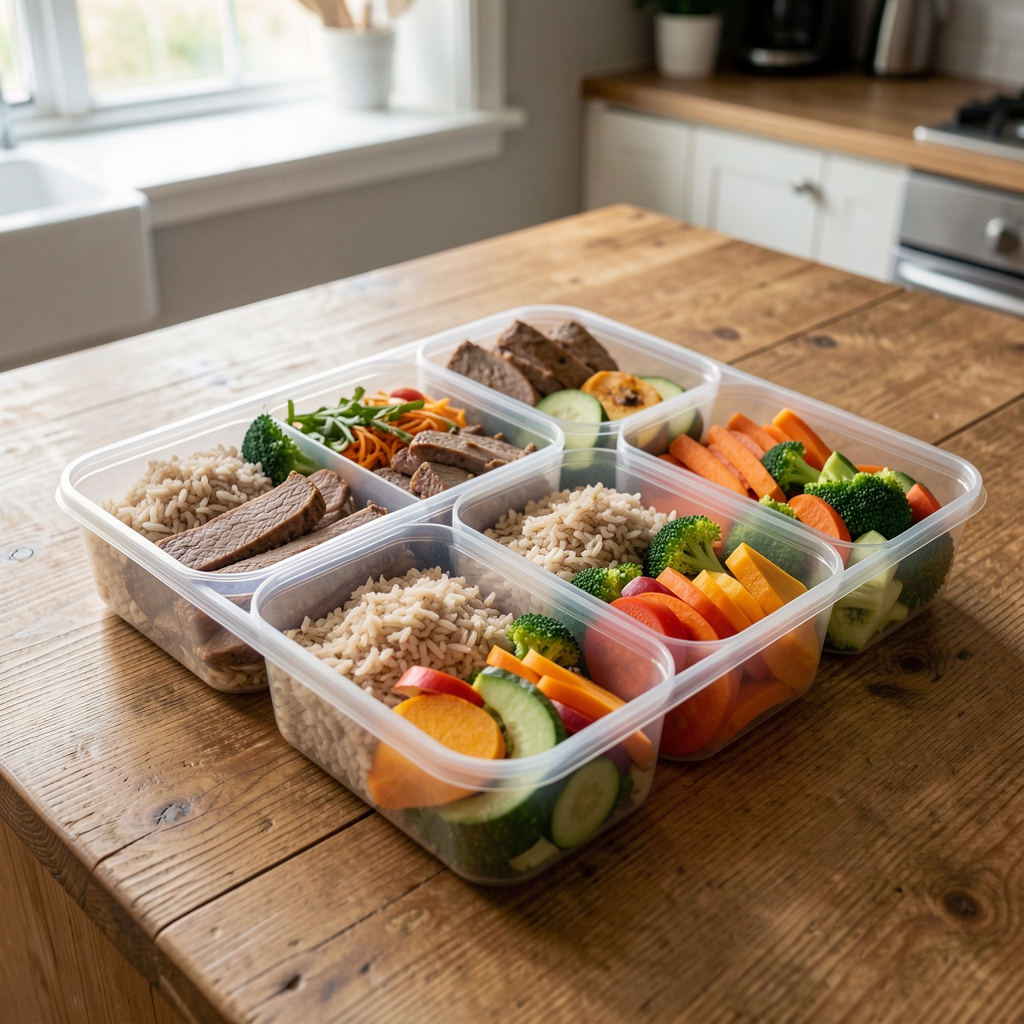
Balanced Meals

The distribution of fluid intake across the working day is as nutritionally significant as its total volume. Published research on dehydration thresholds and cognitive performance indicates that a 1–2% reduction in body water content — achievable after a standard morning without active drinking — correlates with measurable reductions in sustained attention, short-term recall, and psychomotor speed in office-based tasks. Calibrating hydration as a patterned habit rather than a reactive response to thirst produces more consistent intake totals and avoids the episodic over-consumption that characterises thirst-driven drinking.
The physiological thirst mechanism is a useful but imprecise instrument for maintaining hydration adequacy in sedentary adults. The sensation of thirst is triggered at a plasma osmolality threshold that corresponds, in most individuals, to a fluid deficit that has already begun to affect cellular function. This lag is well-documented in exercise physiology literature and applies equally to sedentary office-based populations, albeit at a slower rate of deficit accumulation.
The practical implication is that relying on thirst as the primary signal for drinking produces a chronically reactive pattern that consistently undershoots adequate intake targets. The published European Food Safety Authority adequate intake values — 2.0 litres per day for adult women and 2.5 litres for adult men, incorporating all fluid sources — are not achievable through thirst-directed drinking alone in typical indoor working environments with moderate ambient temperatures.
The alternative framework is habitual-timed intake: a structured schedule of fluid consumption distributed across the working day independent of perceived thirst. Multiple published intervention studies comparing thirst-directed and schedule-directed hydration in office workers have found that the structured schedule produces consistently higher daily intake totals and is associated with self-reported improvements in afternoon energy levels and concentration span over the trial periods examined.
The following distribution model is derived from the hydration timing guidance published by the European Hydration Institute and reflects the fluid intake patterns associated with adequate daily totals in sedentary adults working standard office hours. It is a descriptive framework drawn from dietary behaviour research, not a prescriptive routine.
Two glasses of water on waking. Overnight sleep produces a nominal fluid deficit through respiration and perspiration — rehydrating before the first meal is associated with improved gastric motility and more consistent morning energy levels in published cohort observations.
A single large glass, typically accompanying a mid-morning break. This interval corresponds to the first documented attention trough in office-based cognitive performance studies — hydration at this point is the lowest-effort intervention available.
Food-source moisture from a vegetable-rich meal contributes 150–250 ml passively. An additional glass of water with the meal reaches the target for this window without conscious effort.
The mid-afternoon dehydration window is the most consistently documented productivity risk period. Structured fluid intake at this point is associated with the largest observable benefit in published attention and processing speed assessments.
Moderate evening fluid intake supports overnight metabolic processes. Large volumes consumed within 60–90 minutes of sleep have been associated with sleep fragmentation in some population studies — the moderate allocation above avoids this threshold.
This five-window model produces a total scheduled intake of approximately 1.5–2.0 litres from drink sources, which together with food-source moisture and metabolic water production places the majority of adults within the EFSA adequate intake range without requiring dramatic behavioural change.
The mild diuretic effect of caffeine at typical dietary doses (1–3 cups of coffee per day, equivalent to 80–300 mg caffeine) does not negate the fluid contribution of caffeinated beverages in published dietary assessments. The European Food Safety Authority's 2010 scientific opinion on caffeine and fluid balance concluded that habitual caffeine consumption at doses up to 400 mg per day does not impair overall hydration status in acclimatised adults. Coffee and tea therefore count towards the daily fluid total in the model above.
The adjustment for caffeine intake is modest and applies primarily to individuals consuming above four cups of coffee daily or combining coffee with high-dose caffeine supplements: at these levels, a compensatory additional 200–300 ml of plain water per day is the standard recommendation in published guidance. For the majority of working adults, no adjustment to the five-window model above is required.
Herbal infusions, unsweetened squash diluted to appropriate ratios, and plain water are functionally equivalent in their contribution to daily fluid totals. Sweetened beverages, including fruit juice, contribute to fluid intake but also to calorie load — the calorie-awareness dimension of the site's editorial brief is relevant here: fruit juice consumed ad libitum across the day contributes a non-trivial caloric surplus relative to equivalent whole-fruit consumption, which delivers the same fluid and micronutrient contribution alongside significantly higher fibre and lower glycaemic load.
"A 1–2% reduction in body water content — achievable after a standard morning without active drinking — correlates with measurable reductions in sustained attention and short-term recall."
Tobias Marsden — Braloven Compendium, February 2026
For sedentary adults in standard indoor working environments, the electrolyte contribution of a mixed diet providing adequate sodium, potassium, and magnesium through food sources is sufficient to maintain fluid homeostasis without supplementation. The published daily reference intakes for sodium (1.6 g, equivalent to 4 g table salt) and potassium (3.5 g) are readily achievable through a varied diet including vegetables, whole grains, and dairy or dairy alternatives.
The electrolyte context becomes relevant under conditions of prolonged physical activity (exceeding 60 minutes of moderate-intensity exercise), high ambient temperatures, or gastrointestinal disturbance. In standard office-based working conditions and light daily movement, electrolyte supplementation beyond dietary sources is not supported by published guidance as a routine necessity.
One practical observation from the dietary behaviour literature: adults who increase their plain water intake significantly — moving from 500 ml to 2.0 litres per day — sometimes report a transient increase in perceived fatigue in the first few days, which is consistent with the marginal dilution of plasma electrolytes during the adjustment period. This normalises without intervention within 5–7 days in published observations and does not represent a contra-indication to increased fluid intake.
The behavioural science literature on habit formation is consistent on one point: proximity and visibility of the target behaviour's tools is the single highest-leverage environmental variable for adoption and maintenance. Applied to hydration habits, this translates straightforwardly: a water vessel kept on the desk, within the visual field, and at a capacity that makes the five-window schedule visible (1.5–2.0 litre marked bottles are widely available) consistently produces higher compliance with structured intake goals than relying on a kitchen trip or shared office resource.
The secondary environmental variable is temperature preference: cold water is consumed in larger volumes per drinking episode in documented observational studies, while warm infusions tend to produce longer, more deliberate consumption episodes. Neither format is superior on a hydration efficacy basis — the preference that produces consistent adherence to the daily schedule is the correct one for each individual.
Food journal entries that include fluid intake data consistently show a higher daily total than self-report without journalling, suggesting that the act of recording intake functions as both a measurement and an adherence tool. For individuals establishing a new hydration routine, a two-week logging period produces a reliable baseline assessment from which the five-window model can be calibrated to individual variation.

Tobias Marsden writes on behavioural nutrition and the practical architecture of daily eating and drinking patterns. His contributions to Braloven Compendium focus on the intersection of dietary behaviour research and everyday implementation.
More from this publication →